Blockchain technology has been recognized for its potential to revolutionize various industries, and supply chain management is no exception. The impact of blockchain on democratizing supply chains worldwide is profound, as it paves the way for greater transparency, efficiency, and inclusivity. By decentralizing data and ensuring immutable records, blockchain has the capability to transform how goods are sourced, tracked, and delivered globally.
Enhanced Transparency and Traceability
A primary advantage of blockchain in supply chain management is its ability to provide enhanced transparency. By employing a distributed ledger, all stakeholders can access a permanent record of transactions and items as they move through the supply chain. This transparency ensures that all parties, from suppliers to consumers, have access to crucial information.
Improving Consumer Trust
The immutability of blockchain records instills greater trust among consumers, as they can verify the origins and journey of products. For example, in the food industry, consumers can trace the source of their groceries from farm to table, ensuring everything is ethically sourced and safe for consumption. This level of insight not only enhances consumer confidence but also pressures companies to uphold higher standards.
Facilitating Supplier Verification
Blockchain allows for the easy verification of supplier credentials and certifications in a supply chain. This prevents fraudulent activities and ensures that all suppliers comply with industry standards. Companies can quickly authenticate supplier credentials without the need for intermediary validation, thereby streamlining the supply chain.
Boosting Efficiency and Reducing Costs


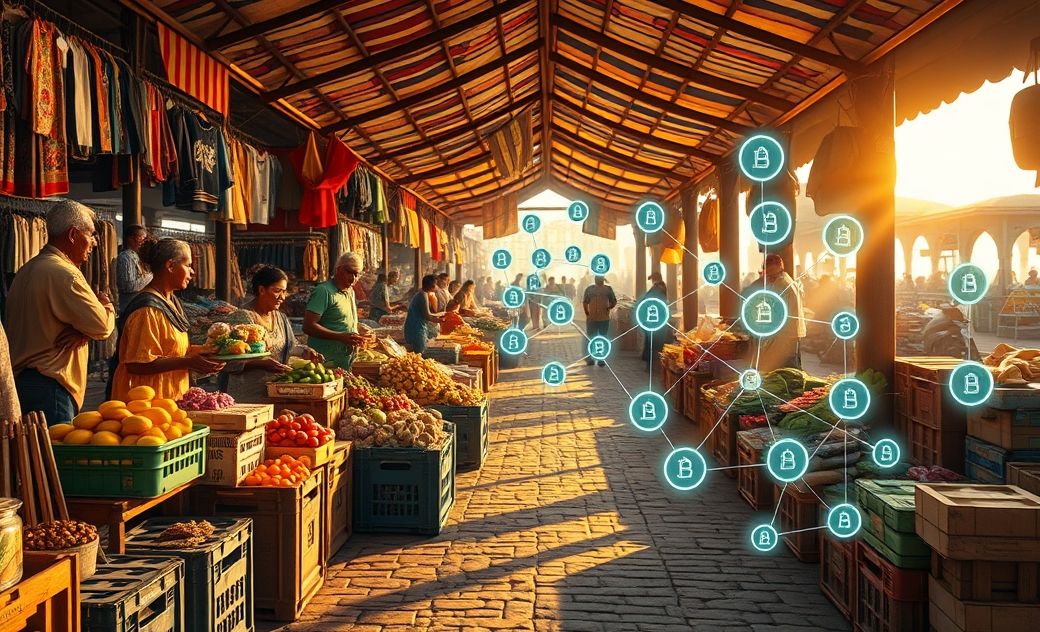

By automating various processes and reducing the need for intermediaries, blockchain technology boosts efficiency in the supply chain. Smart contracts play a pivotal role in this transformation, executing transactions automatically when preset conditions are met, which reduces the chance of manual errors and speeds up processes.
Minimizing Errors and Delays
Blockchain’s decentralized nature ensures synchronized data across the network, eliminating discrepancies that often lead to costly errors and delays. With a single source of truth, businesses can operate more smoothly, preventing miscommunication and streamlining coordination across stages of the supply chain.
Optimizing Inventory Management
Real-time tracking capability provided by blockchain aids in optimizing inventory management. Businesses can maintain accurate stock levels and anticipate demand more effectively. This level of efficiency prevents both overstocking and stockouts, which leads to cost savings and improved customer satisfaction.
Inclusive and Decentralized Systems
Blockchain technology democratizes supply chains by promoting inclusivity and decentralization. Small and medium enterprises can participate on a more level playing field, competing equally with larger corporations.
Empowering Small-Scale Producers
By eliminating the need for substantial intermediaries, small-scale producers can connect directly with retailers and consumers. This direct link can lead to better profit margins for producers and more competitive pricing for consumers, fostering a fairer marketplace.
Increased Global Access
Blockchain facilitates easier global access to markets for businesses irrespective of their geographical location. By reducing barriers to entry and encouraging cross-border commerce, it opens up opportunities for businesses in developing regions to engage in global supply chains, promoting economic growth and development.
The Road Ahead
Despite its potential, blockchain is still in its nascent stage regarding widespread adoption in supply chain management. Challenges such as scalability, regulation, and integration with existing systems must be addressed. However, ongoing advancements and growing industry interest suggest a promising future.
As blockchain continues to evolve, its impact on democratizing supply chains is expected to grow, making industry participants more accountable and operations more sustainable. The technology holds the promise to not only improve efficiencies but also redefine the very foundations of supply chain management on a global scale.